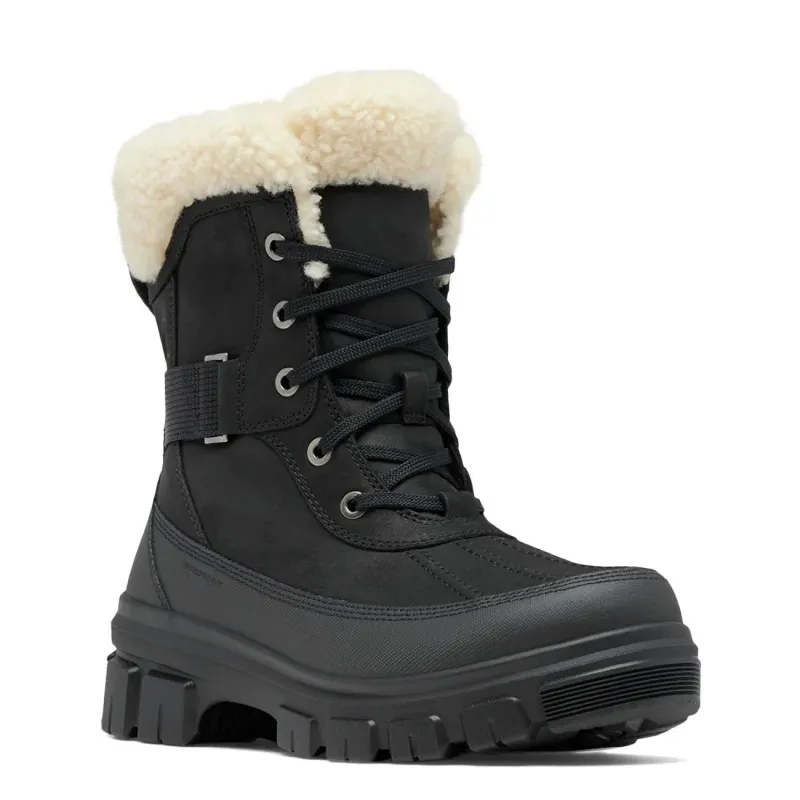
Clearance Tag Math: Are Ugg Boot Discounts Actually Saving You Money?

You've seen it a hundred times. You're scrolling through an outlet site or walking past a sale rack, and there it is — a pair of Ugg boots with a bright red tag screaming "60% OFF." Your heart does a little jump. Your wallet says yes. But before you hit that buy button, it's worth asking a question most shoppers skip entirely: 60% off what, exactly?
That's the thing about clearance pricing. The savings feel real because the math looks real. But the math only works if the number you're discounting from was legitimate in the first place.
Where the "Original Price" Actually Comes From
Here's something the footwear industry doesn't advertise: the "original" or "compare at" price on a clearance tag isn't always what the boots were actually selling for in stores. Retailers — including outlet-specific channels — sometimes set a high anchor price that the product never actually moved at, just to make the markdown look more dramatic.
This practice, often called "phantom pricing" or "reference pricing," is more common than you'd think. A pair of Ugg Classic Shorts might be tagged at $180 "original" in an outlet setting, but if you check the brand's own website or a major retailer like Nordstrom or Zappos, you might find those same boots have been sitting at $150 all season. So that "40% off" deal is actually closer to 20% — if the boots are now $108.
Not every retailer does this, and not every deal is inflated. But knowing it happens is half the battle.
The Typical Ugg Boot Discount Timeline
Ugg boots follow a pretty predictable seasonal pricing pattern in the US, and once you know it, you can time your purchases a lot more strategically.
August–September: Full retail pricing. New styles drop, and there's basically zero markdown activity. This is the worst time to buy if price is your priority.
October–Early November: Minor promotional discounts start appearing — usually 10–15% off through loyalty programs or email sign-up codes. Not clearance, just introductory promos.
Black Friday / Cyber Monday: This is where things get interesting. Discounts of 20–35% are common, and this is often the first time you'll see genuine markdowns on popular styles. The catch? Inventory moves fast, and sizes disappear quickly.
Post-Christmas through January: True clearance territory. Retailers are actively trying to move winter inventory before spring, and discounts in the 30–50% range become more realistic. This is when outlet pricing tends to reflect actual savings rather than manufactured ones.
February–March: Deepest discounts of the year, but selection is thin. You might find 60–70% off, but only in sizes 5 or 12. If your size is common, this window is largely a miss.
Knowing this timeline helps you figure out whether a "clearance" tag in October is actually a good deal (it's usually not) or whether waiting until January makes more sense for your budget.
How to Calculate Whether a Deal Is Real
You don't need a spreadsheet. You just need a few minutes and a browser tab.
Step 1: Find the going rate elsewhere. Before accepting any outlet or clearance price at face value, Google the exact style and colorway. Check the official Ugg site, Zappos, Nordstrom, and Amazon. What are those boots actually selling for right now, at full price, in normal retail channels?
Step 2: Calculate your actual discount. Take the outlet price and divide it by the real retail price, then subtract from 1 to get your true discount percentage. For example: outlet price of $95 divided by a real retail price of $150 = 0.633. Subtract from 1 = 0.367, or roughly 37% off. That's a solid deal. But if the outlet claims you're saving 50% off a "$190 original price" — and $190 is not what those boots actually cost anywhere — then your real savings are closer to 37%, not 50%.
Step 3: Factor in what you're giving up. Outlet and clearance purchases often come with limited return windows, no exchanges, or final-sale policies. If the boots don't fit or have a defect, you may be eating that cost. A 40% discount starts to look different if you're also absorbing risk.
Brand-Specific Pricing Patterns Worth Knowing
Ugg as a brand tends to hold its prices more firmly than budget alternatives. The Classic line — Short, Tall, Mini — rarely sees dramatic clearance discounts during peak season because demand stays high. When you do see steep markdowns on core Ugg styles, it's usually because:
- The colorway didn't sell (think niche shades like dusty lavender or olive)
- The style is being discontinued
- It's a slightly older season's inventory being cleared
On the flip side, Ugg's fashion-forward or trend-driven styles (platform versions, slippers marketed as shoes, fashion boots with hardware) tend to move in and out of discount territory faster because they're more trend-dependent. If you're flexible on style, these are often where the real value hides.
For shoppers comparing Ugg to its lower-cost competitors — brands like Bearpaw, Koolaburra, or Emu — the clearance math is often more straightforward because those brands don't carry the same brand-equity premium. A 30% discount on a $90 pair of Bearpaws is more likely to reflect a genuine markdown than a 30% discount on a $200 pair of Uggs, simply because there's less room for price manipulation in the lower price tier.
The Outlet Store vs. Online Outlet: Does It Matter?
Physical outlet stores and online clearance sections don't always follow the same pricing logic. In-store outlets sometimes have better deals on overstocked inventory, while online clearance can be more aggressive on older colorways. Neither is universally better — it depends on what you're looking for and when.
One thing to watch: online outlet listings sometimes show inflated "original" prices more aggressively because there's no physical tag to scrutinize. The comparison is just two numbers on a screen, and it's easier to accept them without questioning the baseline.
Bottom Line: Shop the Deal, Not the Percentage
The clearance tag percentage is a marketing tool first and a savings indicator second. That doesn't mean clearance deals aren't real — plenty of them genuinely are, especially in January and February when retailers are motivated to clear floor space. But the percentage alone doesn't tell you much.
What tells you something is the actual dollar amount you're paying versus what the boots are worth to you and what they're actually selling for everywhere else. Do that homework once, and you'll never overpay for a "deal" again.