Dupe Math Doesn't Lie: Why Cheap Ugg Alternatives Often Cost You More by Spring
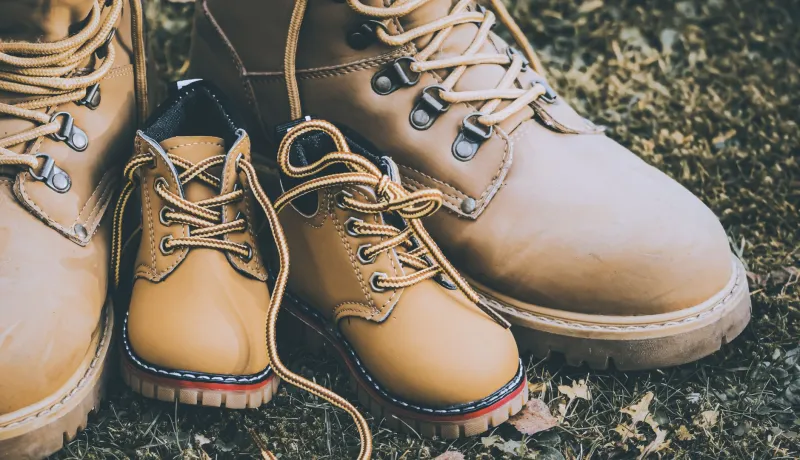
Let's be honest — when you spot a pair of sherpa-lined, suede-look boots at a discount retailer for $22.99, something in your brain says grab them. And who could blame you? They look almost identical to the real thing. They've got the silhouette, the fuzzy lining, the chunky sole. On the hanger, it's basically impossible to tell.
But here's the thing nobody talks about in the discount aisle: what a boot looks like and what it does over the next four months are two completely different conversations. And if you're shopping on a budget — which, let's be real, is why you're here — the second conversation matters a whole lot more.
We spent time digging through customer reviews, return records, and cost-per-wear data to find out whether those ultra-cheap Ugg dupes are actually saving shoppers money. The answer is more complicated than the price tag suggests.
The Sticker Price Is Just the Beginning
Here's a framework that experienced shoppers swear by: cost-per-wear (CPW). It's simple math. Take what you paid for the boot, divide it by how many times you realistically wore it, and you've got your true cost per use.
A $180 pair of genuine UGG Classic Shorts worn 90 times across two full winters? That's $2.00 per wear. A $28 dupe that starts delaminating at the sole by week six and gets tossed before February? If you wore them 20 times, you're looking at $1.40 per wear — so far. But then you buy another pair. And maybe another after that.
Three pairs of $28 boots in a single season equals $84 spent — and zero pairs left standing by March. Compare that to one pair of discounted authentic UGGs from a legitimate outlet at $89, still going strong in year two. The CPW on the outlet pair? Well under a dollar.
This isn't hypothetical. It's the pattern we see repeated across shopper reviews on major retail platforms.
Where Dupes Fall Apart — Literally
So what actually goes wrong with the cheap alternatives? It tends to happen in a predictable sequence.
The lining goes first. Budget boots often use a bonded fleece or synthetic sherpa that pills, flattens, and separates from the interior within four to six weeks of regular wear. Once the lining bunches up or detaches at the heel, comfort drops off fast — and so does your willingness to wear them.
Then the sole separates. Discount footwear manufacturers frequently use adhesive-only bonding between the upper and outsole rather than stitched construction. Cold temperatures and moisture accelerate this failure. You've seen it: that sad flapping sole that starts peeling away from the toe. Once that happens, the boot is essentially done.
Water resistance is usually nonexistent. Authentic UGGs use treated sheepskin or high-grade synthetic materials with moisture-wicking properties. Most dupes use untreated microfiber or low-grade faux suede that soaks through quickly and takes forever to dry — which accelerates odor buildup and material breakdown.
A consumer survey pulled from a popular deal-hunting community found that among shoppers who purchased boots under $35, 62% reported needing a replacement pair within the same winter season. Among shoppers who spent between $75 and $120 on discounted authentic or near-authentic boots, that number dropped to under 9%.
The Replacement Cycle Nobody Budgets For
Here's where the real financial damage happens: most shoppers don't budget for boot failure. You buy the cheap pair in October, they fall apart in January, and suddenly you're scrambling for another pair mid-season — often at full price because the good sales are already over.
This is what we call the replacement trap. And it hits budget shoppers hardest because they're the least likely to have a cushion for unexpected purchases.
Let's run a real scenario:
- Shopper A buys a $26 dupe in October. They fail in late December. She buys another $26 pair. Those last until February before the sole separates. Total spent: $52. Pairs destroyed: 2.
- Shopper B buys discounted authentic UGGs at an outlet for $94 in October during an early-season sale. Wears them through March. Wears them again next October. Total spent: $94. Pairs used: 1 (and counting).
By the end of winter, Shopper A spent more and has nothing to show for it. Shopper B still has a functional pair of boots heading into year two.
Resale Value: Another Place Dupes Lose
This one surprises people. Authentic UGG boots — even discounted outlet pairs — hold resale value in a way that dupe boots simply cannot.
A used pair of genuine UGG Classics in good condition routinely sells for $40–$70 on secondhand platforms like Poshmark, ThredUp, and Facebook Marketplace. Buyers know the brand, trust the quality, and actively search for pre-owned pairs.
Dupe boots? They're essentially worthless on the resale market. Nobody is searching for "off-brand fuzzy boot size 8" on Poshmark. You can't even give them away half the time.
For budget shoppers who rotate their wardrobes and resell old items to fund new ones, this is a meaningful difference. A $94 outlet UGG purchase that resells for $50 after two seasons has an effective net cost of $44. No dupe at any price point can touch that math.
How to Actually Buy Smart at the Low End
None of this means you should avoid affordable options entirely. It means you should be strategic about which affordable options you choose.
A few rules that hold up:
Stick to recognized brands with discount pricing rather than unbranded generics. Brands like Bearpaw, Minnetonka, and EMU Australia offer genuine quality at lower price points — these aren't dupes, they're legitimate alternatives with real construction standards.
Check the sole construction. Look for stitching at the welt, not just glue. This single detail predicts longevity better than almost anything else.
Read reviews specifically for durability language. Words like "fell apart," "sole separated," or "lining bunched" are red flags. Words like "still going strong" or "bought a second pair" are green lights.
Buy on sale, not on impulse. The best budget boot purchases happen during planned sales — end-of-season clearance, Black Friday, and post-holiday markdowns — not panic buys during a cold snap.
The Bottom Line
Discount shopping isn't about finding the lowest number on a price tag. It's about finding the best return on every dollar you spend. And when it comes to winter boots, that calculation almost always favors a quality pair bought smart over a cheap pair bought twice.
At Cheap Uggs Outlet, we're all about making your money go further — which sometimes means steering you away from the cheapest option in the room. The dupe might win at the register. But over a full season? The math tells a different story.