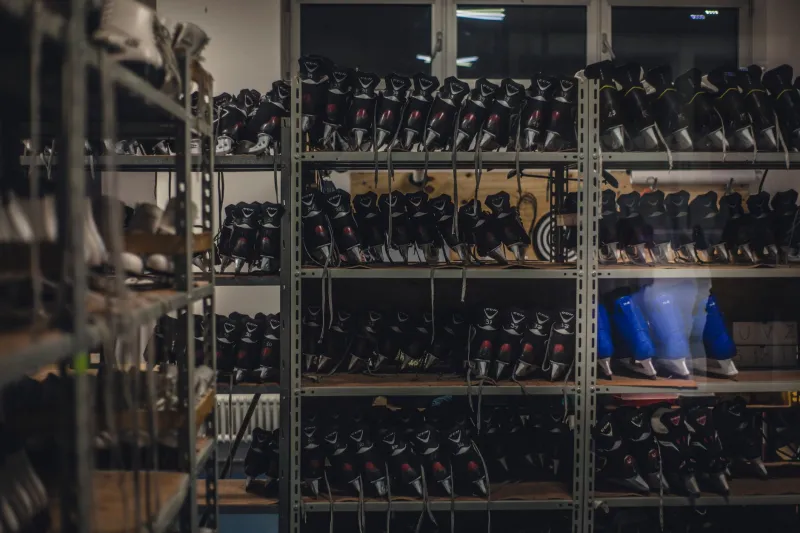
Less Is More: How Thin Inventory at Discount Boot Retailers Actually Protects Your Wallet
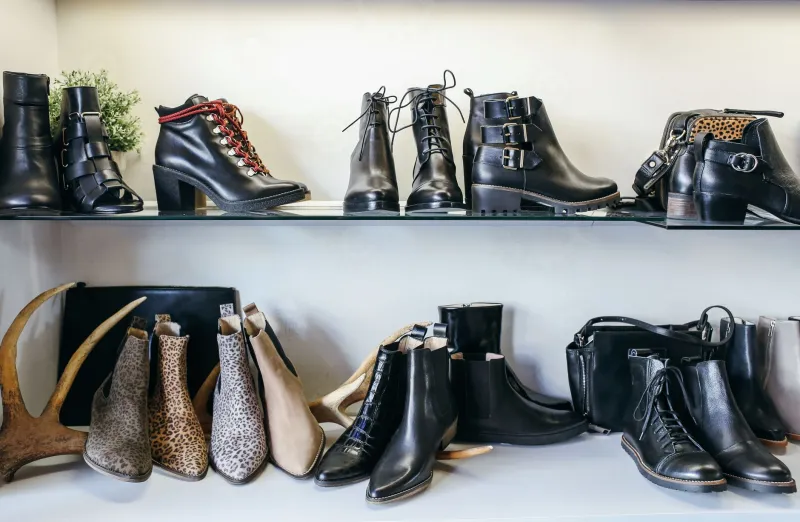
Walking into a discount retailer and finding only three or four Ugg styles on the shelf feels like a letdown. You came in hoping for a wall of options, and instead you're staring at a sparse selection with a few size gaps and maybe one colorway per style. Most shoppers interpret that as a sign the store is struggling, or that they showed up too late in the season.
Here's the thing: that sparse shelf is often the most honest pricing signal in the entire store.
Understanding why limited inventory and genuine discounts tend to go hand-in-hand can completely flip how you approach bargain hunting — especially when you're shopping for quality winter boots on a budget.
Why Big Inventory Isn't Always the Flex It Looks Like
When a large retailer carries 30 different Ugg styles across every colorway and size, that breadth comes with a cost — and not just a purchasing one. Maintaining massive SKU counts requires warehouse space, staff time to manage stock, and constant markdown planning to move units that aren't selling. The overhead gets baked into the pricing.
Large-format retailers also have more room to play games with perceived discounts. They can mark something up, slap a "sale" tag on it, and still move it at a healthy margin because shoppers assume a bigger store means bigger savings. There's a whole retail psychology playbook built around wide selection and inflated reference prices.
Smaller discount outlets don't have that luxury. When you're only stocking a limited number of SKUs, every unit has to earn its floor space. If something isn't priced to move, it becomes a problem fast — there's no hiding a slow seller in a sea of inventory.
The Scarcity-to-Savings Connection
Here's where it gets interesting for budget shoppers. When a discount retailer like Cheap Uggs Outlet carries a tighter inventory, the competitive pressure to actually sell those units is much higher. That pressure translates directly into pricing.
Think about it this way: if a store has 200 pairs of a single Ugg style and limited shelf space to store them, they need those boots gone. They can't afford to sit on them at a price point that doesn't move product. So the markdowns tend to be real — not theatrical.
Contrast that with a big-box scenario where overstock gets shuffled between locations, sent back to a regional warehouse, or quietly cycled into a future "clearance event" that's really just a repackaged version of the same inflated starting price. The discount looks dramatic on paper, but the actual savings aren't always there.
Small inventory pools force honest pricing. That's not a marketing angle — it's just basic retail economics.
How to Read Scarcity as a Buying Signal
Once you understand the mechanics, you can start using limited inventory as a tool rather than a frustration.
When you see only a few sizes left in a style you like, that's not a sign to walk away — it's a sign that the boots have been moving, which usually means the price was right from the start. Real deals attract real buyers. Overpriced "discounts" sit.
When a retailer carries just two or three Ugg styles, ask yourself why those specific styles made the cut. Discount-focused retailers typically source their inventory strategically — they're not buying whatever's left over from a department store return pile. They're choosing units they know they can price competitively and sell quickly.
When size runs look incomplete, don't automatically assume the good stuff is gone. Incomplete size runs often indicate a style sold well across the board, which is another signal that the original price point was genuinely attractive.
The Overstock Illusion at Larger Retailers
Let's talk about what "overstock" actually means at a big retailer, because it's not always what it sounds like.
Some retailers manufacture overstock. They order more units than they expect to sell at full price specifically so they can funnel product into their outlet channels at a "discounted" rate. The boots were never actually priced for full retail success — the outlet price was always the intended selling price, just with a more impressive-looking markdown attached to it.
This practice is widespread enough that the FTC has guidelines around deceptive pricing, but enforcement is inconsistent and shoppers are largely left to figure it out on their own.
A smaller discount retailer with limited floor space simply doesn't have the margin for this kind of theater. Their business model depends on actually moving product quickly at prices that make sense. That alignment of incentives is what makes thin inventory a feature, not a bug.
Shopping Smarter at Discount Boot Outlets
If you're heading to a discount outlet specifically to score a deal on winter boots, here are a few practical ways to use everything above to your advantage.
Don't wait for the selection to expand. At a retailer with limited inventory, waiting for more styles to arrive usually means waiting until the good prices are gone. If you see something that fits your needs and budget, the calculus is different than it would be at a full-price retailer.
Compare the per-unit price, not the percentage off. A 40% discount at a smaller outlet can easily beat a 60% discount at a big-box retailer if the big-box markdown started from an inflated reference price. Do the math on actual dollars, not the tag theater.
Ask about restocking patterns. Some discount retailers receive inventory in irregular batches tied to brand overstock cycles. Knowing when new stock typically arrives — especially post-holiday or at the end of winter — can help you time a visit when selection and pricing are both at their best.
Treat limited selection as a filter, not a failure. If a discount retailer only carries three Ugg styles, those three styles made it through a buying process designed to maximize value. You're not missing out on 27 other options — you're looking at a curated shortlist of units the retailer was confident enough to stock.
The Bottom Line
Scarcity gets a bad reputation in retail because we're conditioned to equate more options with more value. But when it comes to discount boot shopping, a thinner inventory often signals a healthier pricing environment — one where retailers actually need to compete on price rather than on the illusion of selection.
Next time you walk into Cheap Uggs Outlet and find a modest spread of styles, don't read it as a disappointment. Read it as a sign that what's on those shelves is priced to move, sourced with intention, and not buried under layers of retail markup theater. Sometimes the best deals come in the smallest packages.