Buy Used, Resell Smart: How the Ugg Boot Secondhand Market Can Work in Your Favor
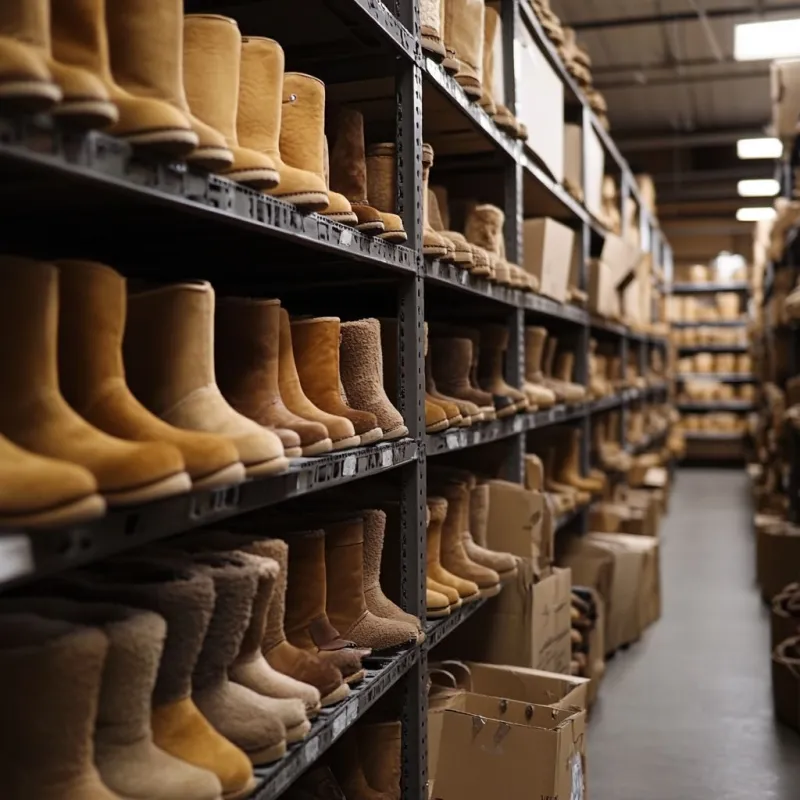
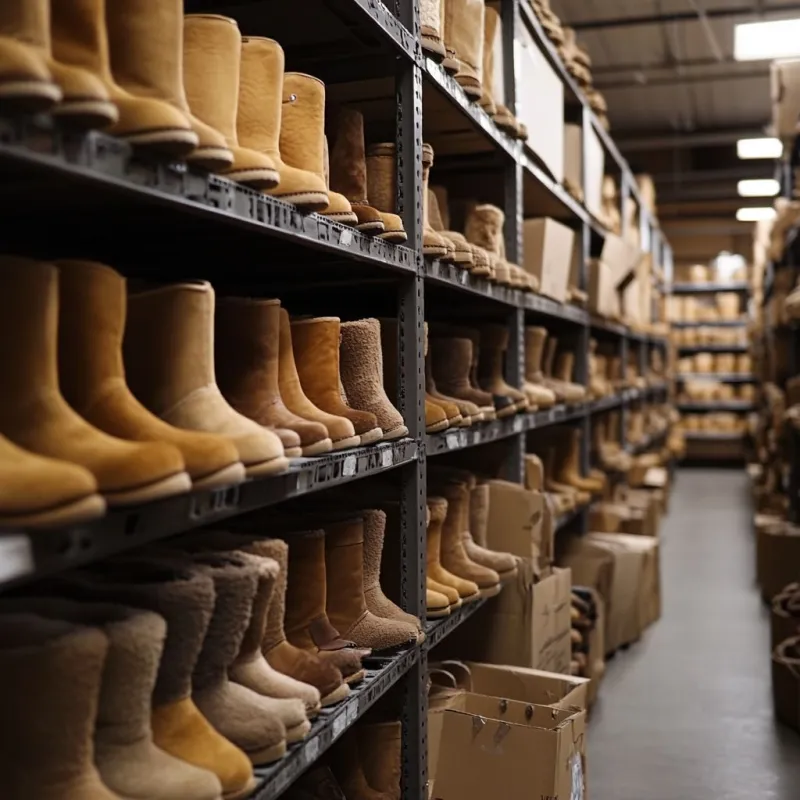
Photo: secondhand winter boots arranged neatly for resale photography, via www.uprightlabs.com
Your Old Uggs Might Actually Have Real Value
Most people treat their Ugg boots like a one-way investment — you buy them, wear them until they're done, and toss them. But here's something a lot of shoppers don't realize: a well-maintained pair of Ugg boots holds resale value better than almost any other footwear category at a similar price point.
The secondhand boot market has exploded over the last few years. Platforms like Poshmark, ThredUp, Mercari, and even Facebook Marketplace are packed with pre-owned Ugg listings, and plenty of them are moving fast. If you've been sleeping on this corner of the resale economy, you're leaving money on the table — whether you're a buyer looking for a deal or a seller trying to fund your next pair.
Let's break down how the whole thing works.
Why Uggs Hold Their Value Better Than Most Boots
Not all footwear ages gracefully in the resale market. Trend-driven styles go stale, fast fashion boots fall apart too quickly to resell, and anything with a complicated construction is hard to clean up for a second life. Ugg-style boots sidestep most of these issues.
First, the classic silhouettes — the tall, the short, the mini — have been popular for decades and don't go out of style in any dramatic way. A pair of classic chestnut Ugg Classics from three years ago looks essentially the same as a current-season pair. That consistency keeps demand steady.
Second, the sheepskin and suede construction is durable when properly cared for. A pair that's been treated with water repellent, cleaned regularly, and stored correctly can look genuinely good even after two or three seasons of wear. Buyers on the secondhand market know this, which is why condition is everything.
Finally, the brand recognition is massive. Even budget-conscious shoppers who'd never pay full retail for a new pair are often happy to pay $50–$80 for a used pair in solid condition. The name carries weight.
Which Styles Fetch the Most on the Resale Market
Not every Ugg style performs equally when it comes to secondhand pricing. Here's a rough breakdown of what tends to move and what tends to sit.
Classic Short and Classic Tall: These are the workhorses of the resale market. High demand, consistent pricing, and they're easy to authenticate because most buyers are already familiar with them. Expect to see used pairs in good condition selling for $45–$90 depending on the colorway and overall wear.
Ultra Mini and Mini: These have surged in popularity recently and carry strong resale value right now. Limited colorways in particular can command a premium.
Slippers (Tasman, Scuffette): Surprisingly strong performers. The Tasman slide has become a cultural staple, and used pairs in good shape sell quickly. Slippers are also easier to store and ship, which makes them attractive to resellers.
Fashion collaborations and limited editions: These can go either way, but when they hold, they hold hard. If you scored a limited-run collab at outlet pricing, you might be sitting on something worth significantly more on the secondary market.
Clunky or heavily discounted fashion styles: These tend to be harder to move. If it didn't sell well new, it usually struggles used too.
The Best Platforms for Buying and Selling Pre-Owned Uggs
Where you shop (or sell) matters almost as much as what you're buying.
Poshmark is probably the most popular platform for used Ugg boots in the US. The search functionality is solid, the buyer protection is real, and sellers can build reputations over time. It's a good place to buy because you can see a seller's history and read feedback from previous transactions.
Mercari tends to have slightly lower prices than Poshmark and is worth checking if you're on a tight budget. The platform is more casual, which means you'll find some great deals — but also more listings that need careful vetting.
Facebook Marketplace is hit or miss but can surface genuinely good local deals, especially if you're willing to meet up and inspect the boots in person before buying.
eBay is the OG resale platform and still has a massive Ugg inventory. The buyer protection through PayPal is strong, and you can filter by condition, size, and style easily. Just pay attention to seller ratings.
ThredUp and Depop are worth checking but tend to have thinner inventory for this specific category.
Authenticating Pre-Owned Pairs: What to Look For
This is where a lot of secondhand buyers get nervous, and understandably so. Counterfeit Uggs exist in the new market, and they absolutely show up in the resale market too.
Here's what to check before you commit to a used pair:
The label inside the boot. Authentic Ugg boots have a label sewn into the interior that reads "UGG" with the registered trademark symbol. The font is clean and consistent. Knockoffs often have slightly off typography, misspellings, or labels that look printed rather than woven.
The outsole. Real Ugg boots have a specific tread pattern on the bottom and the word "UGG" molded into the sole. Fakes often have generic tread or a sloppy version of the branding.
The sheepskin lining. Authentic sheepskin has a particular texture and density. It's soft but substantial. Synthetic linings feel lighter, flimsier, and often have a slightly plasticky quality when you run your hand through them.
Ask for close-up photos. Any legitimate seller should be willing to provide detailed shots of the label, the sole, the lining, and any wear spots. If they're resistant or evasive, that's a flag.
Check the seller's history. A seller who regularly moves Ugg boots and has positive feedback from buyers who mention authenticity is a good sign.
Caring for Used Boots to Protect Their Resale Value
Whether you're buying used to wear or planning to eventually flip, how you maintain the boots matters enormously. This is where the Boot Care & Maintenance mindset pays off.
Start with a good cleaning using a suede brush and a cleaner specifically formulated for sheepskin. Treat the exterior with a water and stain repellent spray — this is the single most effective thing you can do to extend a boot's life and appearance. Stuff the boots with cedar shoe trees or even just crumpled newspaper when they're not being worn to maintain their shape.
Avoid wearing them in heavy rain or snow without protection, and if they do get soaked, let them dry naturally away from direct heat. Forced drying with a radiator or hair dryer can crack the suede and shrink the lining.
A pair that's been properly cared for can look genuinely good after two or three seasons, which means when it's time to move on, you can still get real money for them.
The Circular Logic of Smart Boot Shopping
Here's the big picture takeaway: buying a quality pair of boots — even at a discount — and then caring for them properly creates a kind of circular economy for your wardrobe. You spend less upfront by going the secondhand or outlet route, you protect that investment with basic maintenance, and when you're ready for something new, you sell your current pair and use the proceeds to fund the next one.
It's not complicated, but it does require thinking about footwear as something with ongoing value rather than a disposable purchase. And in a market where quality winter boots can easily run $150–$200 new, that mindset shift can make a real difference in your budget over time.