Four Months, Four Pairs: How Budget Ugg Alternatives Really Survive a Full Winter
Every fall, the same debate kicks off in comment sections, Reddit threads, and group chats across the country: Is it worth spending $160+ on real Uggs, or can you grab a convincing dupe for $35 and call it a day? It sounds like a simple math problem, but winter has a way of making things complicated.
We decided to stop guessing and start tracking. Over one full winter season — November through late February — we wore four different pairs of boots through real American winter conditions: slushy parking lots, icy sidewalks in the Midwest, rainy Pacific Northwest streets, and the kind of dry, brutal cold that hits the Northeast in January. Two pairs were genuine Ugg boots (a Classic Short and a Classic Mini), and two were popular budget alternatives available for under $50 on major retail sites.
Here's what actually happened.
The Starting Line: What $35 Gets You vs. What $160 Gets You
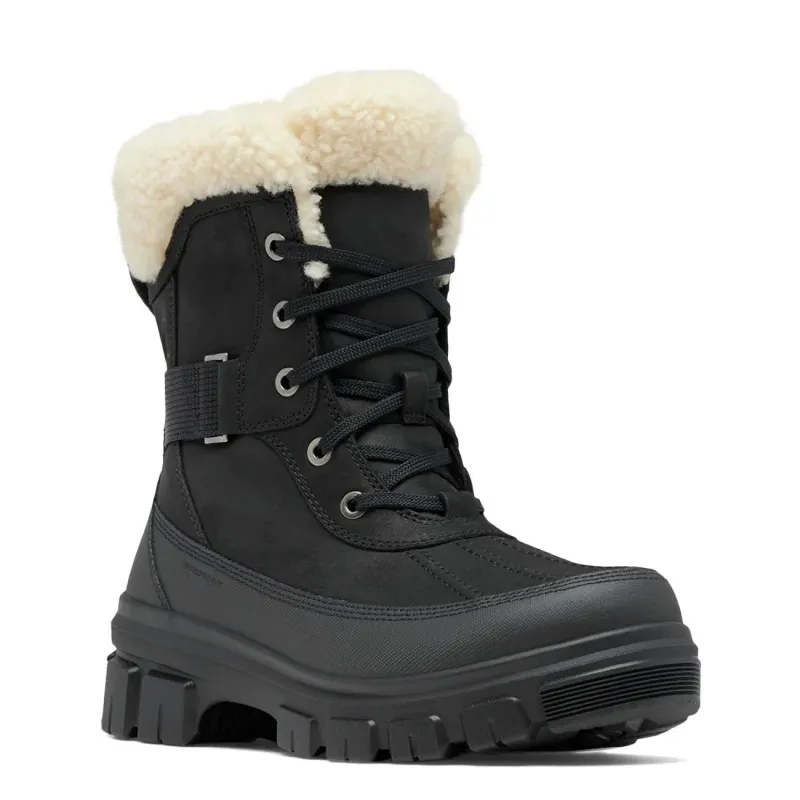
Out of the box, the gap isn't as dramatic as you'd expect. The budget pairs looked solid — decent stitching, plush lining, and a silhouette that reads "Ugg" from ten feet away. One of them, a pair from a well-known Amazon brand, even felt comparable in initial softness. The suede-like exterior was smooth, the faux shearling was thick, and the sole had some real grip to it.
The genuine Uggs, by contrast, felt immediately different in the hand. The suede had a denser, more uniform texture. The wool lining compressed slightly under pressure but bounced back. Small things — but the kind of small things that compound over months.
At week one, nobody could tell the difference from a photo.
Month One: November — The Honeymoon Phase
For the first four weeks, all four pairs performed admirably. Warmth was consistent across the board. Nobody's feet were cold. The budget pairs held their shape, the lining stayed fluffy, and the soles showed minimal wear.
The first crack appeared around week three, when the cheaper pair hit its first real slush puddle. The water-resistance on budget faux-suede is not the same as on treated genuine suede — even untreated Uggs have a tighter material weave that resists light moisture better out of the box. The budget pair absorbed a light spray of slush and showed a faint waterline stain by the end of the day. Nothing catastrophic, but a preview of what was coming.
The real Uggs handled the same puddle with a slight darkening that dried clean within an hour.
Month Two: December — Holiday Hustle and the First Signs of Wear
December is brutal on boots. You're in and out of stores, walking on salted sidewalks, standing in lines, and occasionally navigating full-on snow. This is where the durability gap started to open up.
By mid-December, the insole of the cheaper Amazon pair had begun to compress noticeably. That plush, cushioned feel underfoot? About 60% of what it was on day one. The lining had also started to mat down — that fluffy shearling-style interior was flattening out faster than expected, which meant less insulation and less comfort on long days of walking.
The second budget pair — a slightly pricier $48 option from a fast-fashion brand — held up better. The lining compression was slower, and the exterior showed only minor scuffing. Still, the stitching around the heel seam had started to look stressed.
The genuine Uggs? Lining compression existed, but it was gradual and even. The suede exterior had picked up some light scuffs but responded well to a quick brush. Structurally, they still felt like new boots.
Month Three: January — Cold, Salt, and the Real Test
January is when winter stops being charming and starts being a problem. Salt gets everywhere. Temperatures drop. You wear these boots every single day because there's no alternative.
The $35 pair hit a wall in January. The sole started separating at the toe — a thin but visible gap that let cold air in and signaled the beginning of the end. The lining was now fully matted, offering noticeably less warmth than it had in November. Salt staining on the exterior had become permanent; no amount of brushing was fixing it.
The $48 pair was hanging in there, but the heel counter (the stiff back section that keeps the boot's shape) had softened significantly. The boot was starting to collapse slightly at the ankle — that sloppy, worn-out look that signals a boot is living on borrowed time.
The genuine Uggs had salt stains too, but they cleaned up with a suede brush and a damp cloth. The structure was intact. The lining, while compressed from daily use, still provided real warmth. These boots still looked like something you'd wear to brunch, not just to scrape ice off your car.
Month Four: February — The Final Accounting
By the end of February, the $35 pair was effectively done. The sole separation had worsened, the lining offered minimal insulation, and the exterior had a permanent grayish cast from salt and moisture damage. Total lifespan: roughly 14 weeks of regular wear.
The $48 pair was still functional but visibly tired. The collapsed heel made them uncomfortable for long walks, and the lining had matted to the point where they felt more like lined sneakers than winter boots. Usable for light errands, but not something you'd choose if you had options.
The genuine Uggs? Still going. Lining compression was real but manageable. Structure was solid. With a proper cleaning and a coat of suede protector spray, they were ready to be stored for next season — and realistically, another one after that.
So, Is the Price Difference Actually Worth It?
Here's where it gets nuanced. If you genuinely only need boots for a handful of cold days — maybe you're in the South, or you work from home and winter footwear is mostly a parking-lot-to-office situation — a $35 pair can absolutely do the job. You'll get through the season. It won't be pretty by March, but it'll work.
But if you're a daily wearer in a real winter climate — the kind where you're outside in January and February on a regular basis — the math flips fast. Replacing a $35 pair every season costs $105 over three years. A single pair of genuine Uggs, maintained properly, can last three to five seasons. Suddenly that $160 price tag looks a lot more reasonable.
The sweet spot? Mid-range alternatives in the $60–$90 range from brands with decent construction. They won't match genuine Ugg longevity, but they'll get you through two solid seasons if you treat them right — and that's a legitimate value play for budget-conscious shoppers who want more than one winter out of their boots.
The Bottom Line
Dupes aren't automatically a bad deal — they're just a different deal. Going in with clear expectations is everything. If you want a boot that survives one winter and looks great doing it, a quality mid-range alternative can absolutely deliver. If you want something that goes the distance season after season, investing in the real thing (especially when you can find them on sale or clearance) tends to win out over time.
Either way, you deserve warm feet without buyer's remorse. That's the whole point.