Five Drugstore Fixes That Keep Cheap Uggs Alive Through March
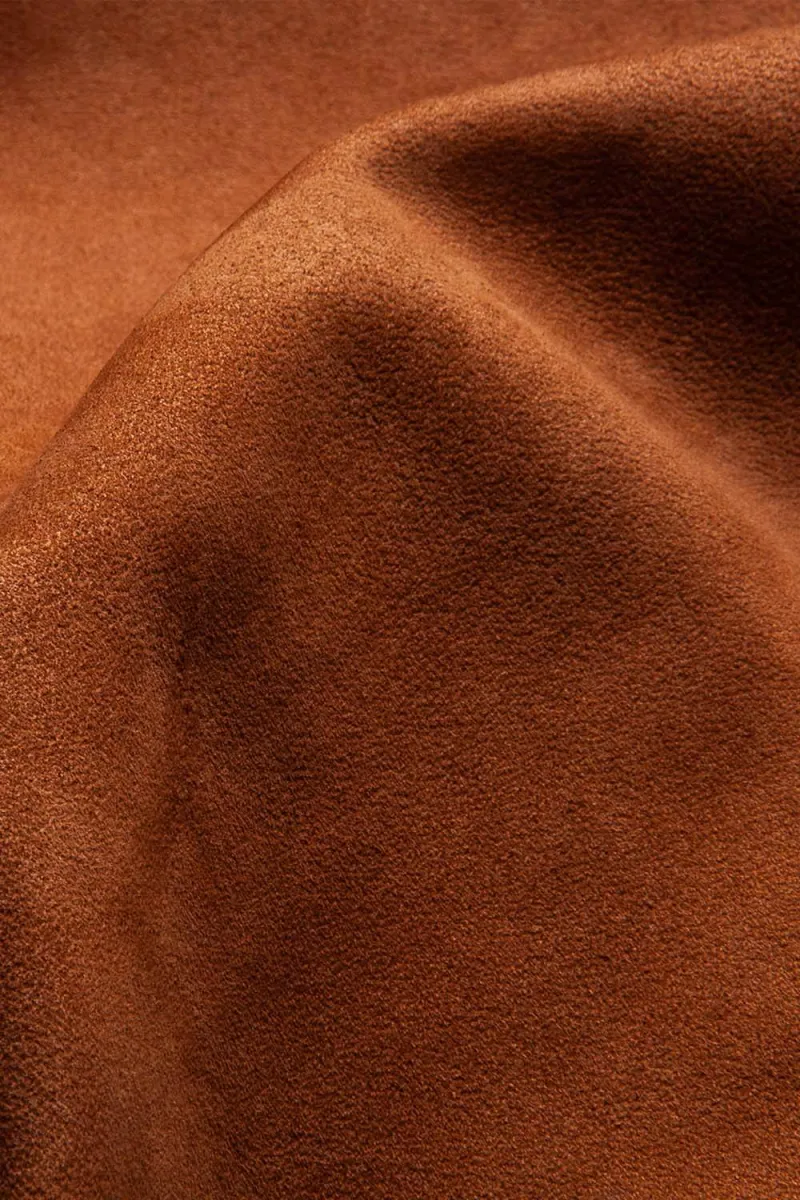
Photo: suede boot cleaning supplies brush eraser on wooden table, via cdn.shopify.com
Clearance racks are where budget shoppers get lucky and where optimism gets expensive. A pair of Uggs marked down to $70 feels like a steal right up until the left toe box picks up a gray scuff in week two and you start mentally writing the boots off. But most of what actually retires a cheap pair in its first season isn't structural failure. It's surface damage — the kind of thing a $3 eraser and fifteen minutes can undo.
This is the case for building a small rescue kit before anything goes wrong, not after.
Do the Cost-Per-Wear Math First
A $70 clearance pair worn 100 times across a winter works out to 70 cents a wear. Spend $25 on supplies, get the same boots to 160 wears, and you're at 59 cents — a real drop, not a feel-good one. The kit pays for itself the first time it saves you from replacing a pair mid-season at full outlet price.
The math flips, though, once you're propping up a boot with structural problems. More on that at the end, because knowing when to stop is half of being good at this.
Here's what's worth buying.
Fix #1: The Eraser Trick for Suede Scuffs ($3)
A plain white pencil eraser — the kind that comes in a three-pack at any drugstore — lifts most dry scuffs off suede and sheepskin. Rub gently with the grain, then brush the nap back up with a soft suede brush or a clean, dry toothbrush. For stubborn marks, a fine emery board used with almost no pressure will raise the nap where it's been flattened.
Keep the boots completely dry while you do this. Wet suede plus friction equals a bald spot, and a bald spot on a toe box is cosmetic damage you can't reverse.
Fix #2: The Overnight Sheepskin Reset ($4)
Interior odor isn't a dirt problem, it's a moisture problem. Put half a cup of baking soda in a cotton sock, add a few drops of lavender or tea tree oil if you want, knot it, and drop one in each boot overnight. Pull the sock out in the morning, vacuum the lining on the lowest setting with a brush attachment, and let the boots sit in open air for a day.
For salt lines on the outside, mix white vinegar and water 1:1, dab — don't soak — and blot immediately. Test on the heel first. Vinegar smells like vinegar for about an hour, which is a fair trade for saving a $70 boot.
Fix #3: Hide the Sole Scuffs for $6
Rubber scuffs on the sole edge respond well to a melamine sponge, the generic version of a certain famous cleaning block. Dampen it, squeeze it out hard, and buff the scuff. For deeper gouges, 220-grit sandpaper smooths the edge back to a clean line.
If the sole edge has gone chalky and gray, a $6 bottle of sole-edge dressing — or a matte acrylic paint matched to the original color — resets it in one coat. This is pure cosmetics, but a boot that looks cared for gets worn more, and getting worn is the whole point.
Fix #4: Stop the Seam From Traveling ($5)
Loose thread on a discounted boot is the single most common "this thing is falling apart" complaint, and it's almost always a two-dollar problem. A dab of fray-check or clear nail polish on a cut thread end stops the unravel. If a stitch has actually popped, a needle and waxed thread will close it in five minutes.
Skip fabric glue on seams you can sew. It hardens, cracks, and looks worse than the loose thread did.
Fix #5: Waterproofing That Actually Pays Off ($9)
A silicone-free suede protector runs $8 to $12 and is the highest-return item in the kit. Two light coats from about six inches away, applied outdoors or near a window, with 24 hours to cure between them. Reapply once mid-season and again before the first slush.
What you're buying isn't dryness — it's stain resistance. Water beads, salt wipes off, and the suede stops drinking whatever the sidewalk hands it.
Total kit: roughly $25 to $27, and most of it lasts more than one winter.
When to Let the Boots Go
Repair is a good investment right up until it isn't. Walk away — or retire the pair to yard work — if you see any of these:
- The outsole is worn through at the heel. That's a resole, and a resole costs more than the clearance pair did.
- The rubber has cracked or gone brittle. No dressing fixes a material that's lost its flexibility.
- The heel counter has collapsed. The boot will never hold your foot again, and no insert fixes structure.
- The sheepskin has matted flat and holds odor after two baking soda treatments. Once the lining loses its loft, the warmth is gone even if the outside looks fine.
- The sole is separating more than an inch past the toe. One reglue, fine. Two, and you're chasing it.
Be honest about the return window, too. If the boots are inside a 30-day policy and the problem is a defect rather than wear, return them. Spending $25 to fix something a retailer will replace for free isn't frugal — it's stubborn.
The rescue kit exists to protect a good deal, not to keep a bad one on life support.