Your Ugg Boots Shouldn't Be Wearing Out That Fast — Here's What's Actually Killing Them
Let's be honest about something. A lot of people who swear that Ugg boots fall apart fast are also people who've been making the same purchasing mistakes on repeat. Buy cheap, wear hard, toss by February, repeat — and then blame the boot. But the lifespan story is more nuanced than that, and it cuts both ways: some full-price Uggs fail faster than well-chosen discount pairs, while some budget buys last multiple seasons with almost no effort.
The variable isn't always price. It's the decisions you make before and after the purchase.
The Model Matters More Than the Markup
Not all Ugg styles are built equally, and this is especially relevant when you're shopping the discount or outlet end of the market. Classic Tall and Classic Short styles — the ones built on Ugg's original twin-face sheepskin construction — consistently outperform newer fashion-forward silhouettes in long-term wear tests. That's not a knock on the newer styles; they're just designed with different priorities.
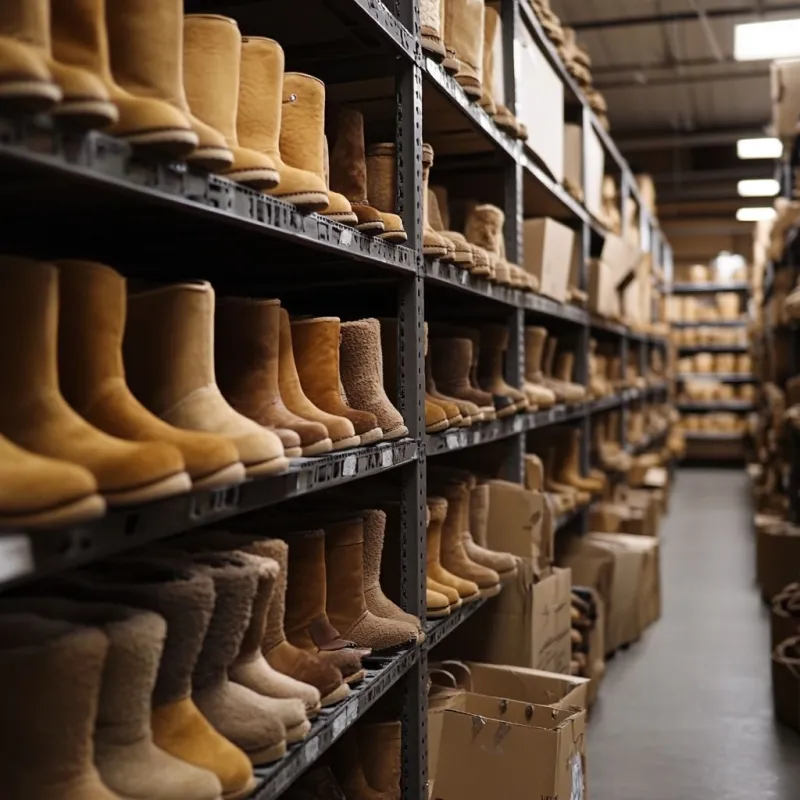
Here's the practical implication: if you're buying a discounted Ugg boot and you want it to last, gravitate toward the heritage models. They're more likely to appear in outlet channels because they're perennial bestsellers with predictable overstock patterns, and their construction has been refined over decades. A discounted Classic Short from an authorized outlet will almost always outlast a trendy new silhouette bought at full price, simply because the bones of the design are better understood and better executed.
How Outlet Shopping Can Actually Extend Boot Life
Here's the counterintuitive part of this conversation: buying from legitimate outlet channels can sometimes get you a more durable boot than buying from a full-price retailer. Why? Because outlet and overstock inventory often includes production runs from slightly earlier in the manufacturing cycle — before any mid-season material substitutions that sometimes happen when brands are managing costs under high demand.
This isn't universal, and it requires buying from reputable discount sources rather than mystery-bin retailers. But savvy outlet shoppers who know their styles and can verify authenticity often report multi-season wear from boots that cost them 30 to 40% less than retail. The savings don't come at the cost of durability — they come from buying smarter within the same quality tier.
Color Choice Is a Durability Decision, Not Just an Aesthetic One
This one surprises people. The color of your Ugg boots genuinely affects how long they look and function at a high level. Darker colorways — chestnut, chocolate, black — absorb more heat, which can accelerate sheepskin breakdown over time in warm climates or when worn in direct sun. Lighter colors show staining faster, which pushes people toward premature replacement even when the boot itself is structurally fine.
Neutral mid-tones — sand, natural, taupe — tend to have the most forgiving relationship with both wear patterns and cleaning. They hide light dirt without trapping heat the way darker colors can. If you're buying a single pair on a budget and need it to carry you through a full winter, these shades are your best durability bet.
The Maintenance Gap Is Where Boots Go to Die
Budget shoppers often skip protective treatment because it feels like an extra expense on top of an already-stretched purchase. This is the single biggest lifespan killer across every price point, but it hits harder when you're working with a discount boot because the margin for neglect is thinner.
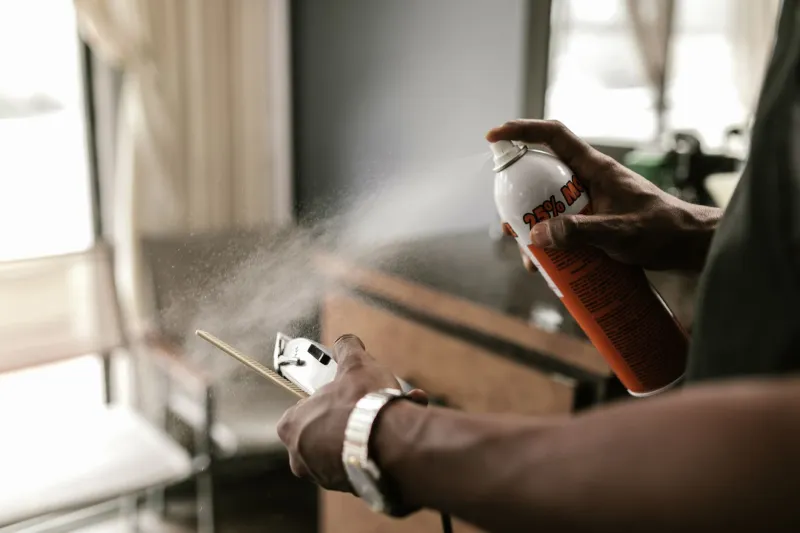
Water damage is the primary culprit. Sheepskin that gets wet without any protective coating absorbs moisture into the suede exterior, and once that happens, the drying process distorts the material and breaks down the adhesive bonding between layers. A $12 bottle of suede and sheepskin protector spray, applied before the first wear and reapplied every six to eight weeks during active use, can add a full season or more to your boot's functional life.
Cleaning matters too, but technique is everything. Never machine wash Ugg boots. Never use regular soap. Use a dedicated sheepskin cleaner applied with a soft brush, work gently in circular motions, and let them dry naturally away from direct heat. Stuffing them with newspaper while they dry helps maintain the shape and prevents the toe box from collapsing — a common complaint that's almost entirely preventable.
The Replacement Cycle Trap
Some retailers — and yes, this includes some discount outlets — benefit from you replacing your boots every season. It's not a conspiracy, just an incentive structure. If you're conditioned to treat Uggs as disposable, you keep buying. But the data from actual long-term Ugg wearers tells a different story.
Properly maintained Classic Short or Classic Tall boots, even purchased at outlet prices, routinely deliver three to five seasons of solid wear. The people who report one-season failures are almost universally either buying counterfeits, skipping maintenance entirely, or wearing their boots in conditions they weren't designed for — daily slush walking, for example, without any waterproofing treatment.
Buy Once, Buy Right, Make It Last
The goal at Cheap Uggs Outlet has always been getting you real value — not just a low price tag. Real value means a boot that still feels good in March, that makes it to next November, and that doesn't leave you hunting for another pair before the season even ends.
You don't need to spend more to get more. You need to buy smarter — right model, right color, right source — and then actually take care of what you bought. The lifespan myth isn't about the boots. It's about the habits surrounding them.