Real Uggs vs. Cheap Alternatives: What You're Actually Paying For (And Whether It Matters)
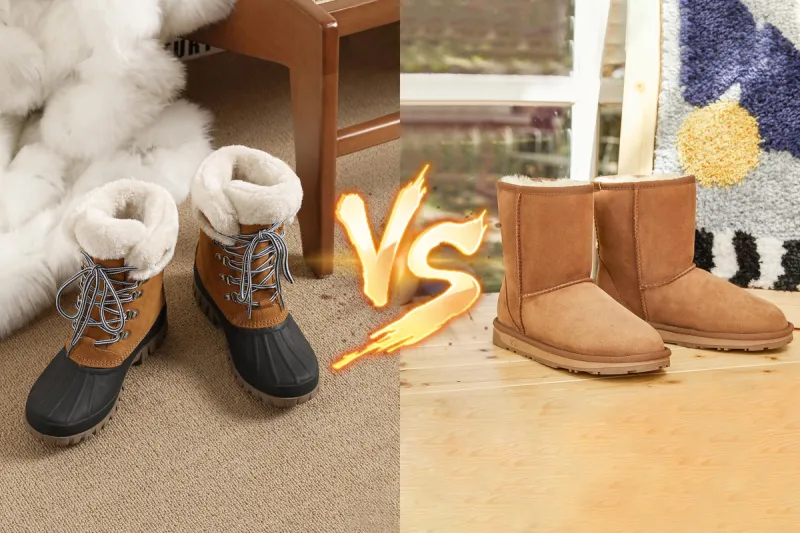
Photo: comparison of Ugg boots and affordable winter boot alternatives side by side on white background, via cdn.shopify.com
Let's be honest — not everyone can drop $200 on a pair of boots without feeling it. But with winter coming and your toes already protesting, the pressure to find something warm, stylish, and affordable is very real. The Ugg dupe market has exploded in the last few years, and with it comes a lot of noise: Are cheaper versions actually worth it? Are you getting ripped off? And what's the deal with those sketchy "authentic" listings online?
We broke it all down so you don't have to guess.
What Makes Authentic Ugg Boots So Expensive?
Ugg Australia — now simply branded as UGG and owned by Deckers Outdoor Corporation — builds its pricing around a few key materials and brand factors.
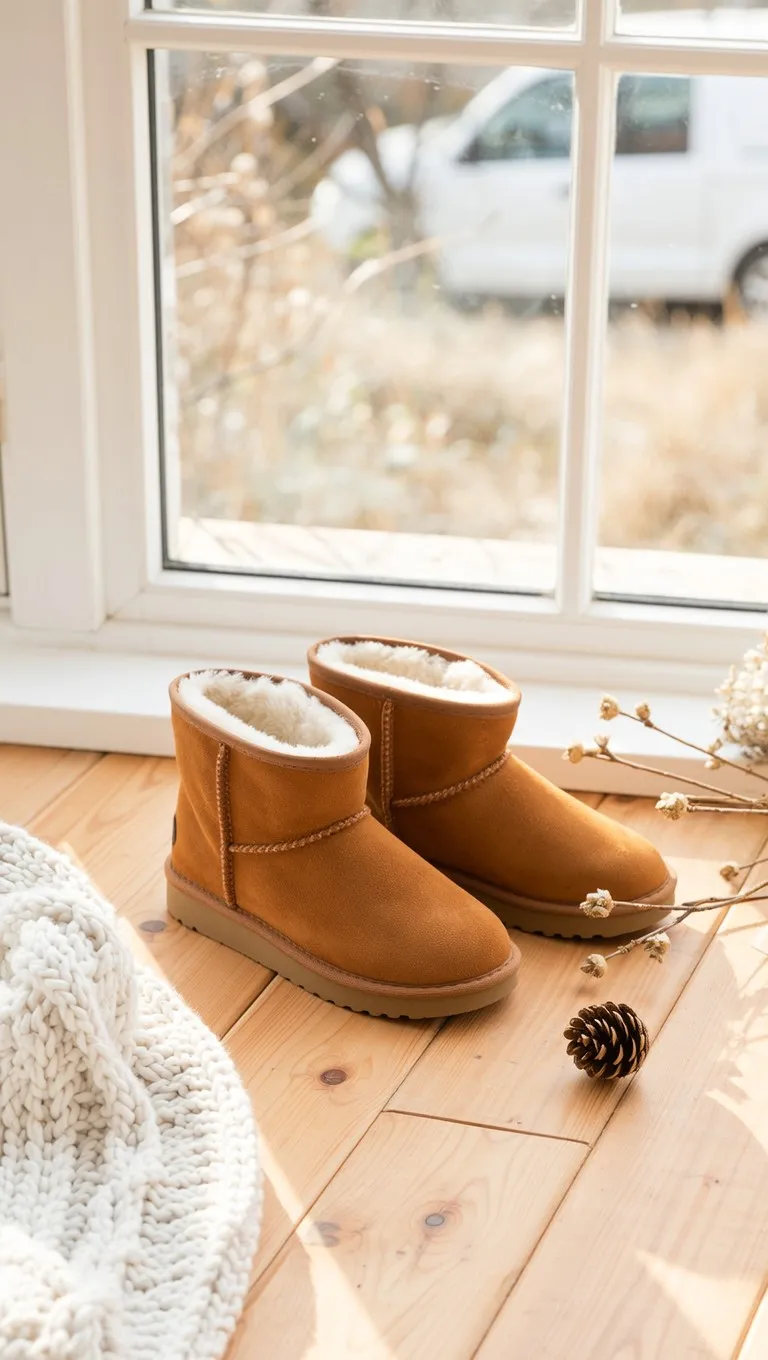
The most significant cost driver is twin-face sheepskin. This is a specific type of wool-lined leather where both the fleece and the hide come from the same sheep pelt. It's processed so the wool faces inward (keeping your feet warm) while the suede faces out. Sourcing and tanning that material at scale isn't cheap, and UGG sources a lot of it from Australia and the UK.
Beyond the sheepskin, you're also paying for:
- Brand equity. UGG has spent decades becoming a household name. That recognition has a price tag baked in.
- Quality control standards. Stitching consistency, sole durability, and sizing accuracy are all tightly managed.
- US retail markups. Department stores and authorized retailers take their cut too.
So when you pay $220 for a pair of Classic Short boots, maybe $80-$100 of that is the actual cost of production. The rest? Marketing, distribution, and the logo on the heel.
The Dupe Spectrum: Not All Knockoffs Are Created Equal
Here's where it gets nuanced. "Dupe" is a broad term that covers everything from thoughtfully designed alternatives to outright counterfeits — and those are very different things.
Legitimate alternatives are boots made by other brands (or sold through discount retailers) that use similar silhouettes and comparable materials without claiming to be UGG products. Think of brands like Bearpaw, Koolaburra by UGG (yes, that's a real thing — a budget line owned by the same parent company), or private-label options you'd find at discount footwear outlets. These are completely legal, often well-made, and can deliver 80% of the UGG experience at 40-50% of the cost.
Counterfeits are a different story. These are boots that use UGG branding, logos, or labeling without authorization. Buying them isn't just risky from a quality standpoint — it's technically illegal under US trademark law, and customs can seize shipments of counterfeit goods. Beyond the legal angle, counterfeit boots often use synthetic materials that mimic sheepskin visually but offer none of the warmth or breathability. Some even use adhesives that break down quickly in wet or cold conditions.
The takeaway: dupes good, fakes bad. Know the difference before you buy.
What Durability Testing Actually Shows
Several consumer and fashion publications have run informal durability comparisons over the years, and the results are telling. Authentic UGGs, when properly cared for, can last 5-10 years. Budget alternatives? Typically 1-3 seasons, depending on how hard you wear them and whether you're treating the suede.
That said, "1-3 seasons" is still a solid run if you paid $60 instead of $200. Do the math:
- $200 UGGs lasting 7 years = ~$28.57/year
- $65 alternative lasting 2.5 years = ~$26/year
From a pure cost-per-wear standpoint, a well-chosen affordable alternative can actually compete — especially if you're buying from a reputable discount retailer that carries quality-checked stock rather than rolling the dice on a random marketplace listing.
Where budget boots tend to fall short is in sole construction and moisture resistance. Cheaper outsoles can separate from the upper after heavy use, and synthetic linings don't wick moisture the way real wool does. If you live somewhere with serious winters (think Minnesota, upstate New York, or anywhere in New England), that difference matters more.
The Smart Middle Ground
Here's the thing nobody tells you in the "dupes vs. real" debate: you don't have to choose between overpaying and getting garbage. The sweet spot is finding genuine quality at a discounted price — which is exactly what discount-focused footwear retailers are built for.
At Cheap Uggs Outlet, the inventory focuses on real boots at prices that don't require a financing plan. That might mean end-of-season stock, overruns from major manufacturers, or last year's colorways that are just as warm as this year's. You're not buying a fake — you're buying smart.
If you're set on authentic UGGs specifically, here are a few ways to get them without paying full retail:
- Shop end-of-season sales. January and February often bring 30-40% discounts at major retailers.
- Check discount outlets. Both physical and online outlet stores regularly stock UGG styles at reduced prices.
- Look for last season's styles. A Classic Mini from two years ago keeps your feet just as warm as this year's version.
What to Watch Out For When Buying Online
Whether you're shopping for authentic UGGs or quality alternatives, a few red flags should give you pause:
- Prices that seem impossibly low. Genuine UGGs for $39.99 from an unfamiliar site? That's a counterfeit, full stop.
- Vague material descriptions. Legit retailers will tell you what the lining and upper are made of. "Soft warm material" is a red flag.
- No return policy. Reputable discount retailers offer returns. If a site won't take boots back, assume you're stuck with whatever shows up.
- Unverifiable sellers on marketplaces. Always check seller reviews and ratings when buying from third-party platforms.
The Bottom Line
Authentic UGGs are genuinely excellent boots — nobody's arguing otherwise. But "excellent" doesn't have to mean "only option." For budget-conscious shoppers, the real win is understanding what you're paying for and finding a source that gives you quality without the premium markup.
Knockoffs that pretend to be the real thing? Skip them entirely. Thoughtfully made alternatives from trustworthy retailers? Absolutely worth considering. And if you're chasing actual UGGs, patience and smart shopping can get you there for a lot less than the sticker price suggests.
Your feet deserve to be warm. Your wallet deserves a break too.