Sell Your Old Winter Boots Before the Season Ends and Fund Your Next Pair

Photo: woman photographing boots on white background for online resale with phone, via plus.unsplash.com
Budget shopping isn't just about finding the lowest price — it's about making your money work harder. And one of the most underused tricks in the budget shopper's playbook? Selling last season's boots before they lose value, then rolling that cash into your next purchase.
Done right, this little cycle can cut your annual boot budget by 30 to 50 percent. Here's how to actually pull it off.
Why Winter Boots Hold Resale Value Better Than You'd Think
Not all secondhand clothing sells well, but boots have a few things going for them. They're durable, they're seasonal (which creates buying urgency), and classic styles like sherpa-lined slip-ons or lace-up snow boots don't go out of style the way trendy sneakers do.
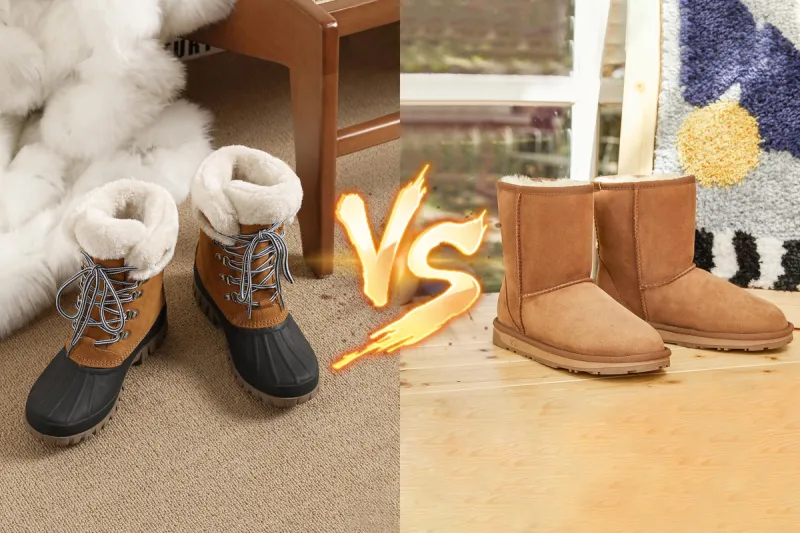
Ugg-style boots in particular tend to do well on resale platforms because demand is consistent and buyers know exactly what they're looking for. Even a pair that's a season or two old — in good condition — can fetch $30 to $80 depending on the brand and style. On a pair you originally paid $65 for, that's meaningful money back in your pocket.
The Timing Game: When to List, When to Sell
Timing is probably the single biggest factor in what your boots sell for. List too late in the season and buyers have already moved on. List too early and you might still be wearing them.
Here's a rough calendar that works well for most of the US:
- Early October: Start photographing and listing boots you didn't wear last winter. Buyers in colder northern states start shopping early.
- November through January: Peak demand. If you're going to sell, this is your window. Prices hold strong and listings move faster.
- February: Still decent, especially for heavy snow boots. Buyers in the Midwest and Northeast are still in full winter mode.
- March onward: Demand drops off sharply. You'll either need to discount heavily or hold inventory until next fall.
The lesson here is simple: don't wait until spring to clean out your boot closet. By then, you've already missed most of the money.
Choosing the Right Platform for Your Boots
Not all resale platforms are equal, and the right choice depends on what you're selling and how much effort you want to put in.
Poshmark is probably the most popular option for footwear in the US. It has a huge buyer base, built-in shipping labels, and a straightforward listing process. The downside is the fee structure — Poshmark takes 20% of sales over $15. Still, the audience is there and boots sell regularly.
Depop skews younger and trendier, making it a solid choice if you're selling anything with a streetwear or fashion-forward vibe. If your boots are more utilitarian snow boots, Poshmark or eBay might serve you better.
ThredUP is a consignment model — you send your boots in and they handle the listing and selling. The convenience is real, but payouts are lower since they take a larger cut. Good option if you'd rather not manage listings yourself.
eBay is worth considering for higher-end pairs or harder-to-find sizes. The buyer pool is massive and auction-style listings can sometimes drive prices up beyond what you'd get on fashion-specific platforms.
Facebook Marketplace is great for local sales with no fees and no shipping hassle. Best for bulkier or heavier pairs where shipping costs would eat into your profit.
Pricing Strategy: Don't Undersell Yourself
One of the most common mistakes new resellers make is pricing too low out of anxiety. Before you list anything, spend 10 minutes searching the platform for sold listings of similar boots. Most platforms let you filter by "sold" items, which gives you real transaction data rather than aspirational asking prices.
A few pricing principles that work:
- Start 10-15% above your target price. Buyers often message with offers, and having room to negotiate makes the transaction feel good for both sides.
- Factor in platform fees. If Poshmark takes 20%, price accordingly so you're netting what you actually want.
- Condition matters — be honest about it. Boots listed as "excellent" that show up scuffed generate bad reviews. Accurate descriptions build your seller reputation over time.
- Bundle deals move inventory. If you're listing multiple pairs, offer a discount for buying two. It's a good way to clear out older stock quickly.
Photographing Boots for Maximum Appeal
You don't need a professional setup. You need decent light, a clean background, and a few minutes of effort. Here's what actually works:
- Shoot near a window during daylight hours. Natural light is flattering and free.
- Use a plain background — a white wall, a light wood floor, or even a clean bedsheet works fine.
- Show multiple angles. Front, side, sole, and any wear or imperfections. Buyers want to see everything.
- Stuff the boots with tissue paper or a rolled towel before photographing. It gives them shape and makes them look more appealing.
- Include a size reference if you can — a ruler or even a hand in frame helps buyers gauge scale.
Listings with 5+ clear photos consistently outperform those with 1-2 blurry shots. It takes an extra five minutes and it's absolutely worth it.
Which Styles Hold Resale Value Best
Not every boot is equally sellable. Based on what consistently moves on resale platforms, these styles tend to perform well:
- Classic pull-on shearling or sherpa-lined boots (the Ugg silhouette) — perennial demand, easy to search for
- Waterproof snow boots from recognizable brands — practical appeal drives sales in northern states
- Ankle boots in neutral colors — versatile enough that buyers in multiple climates want them
- Wide-calf styles — underserved in retail, so resale demand is often strong
Highly trend-specific styles or unusual colorways can be harder to move unless they're priced very aggressively.
Closing the Loop: Using Your Resale Earnings Smartly
Here's where the whole strategy pays off. Let's say you sell two pairs of last season's boots for a combined $70 after fees. That $70 goes directly toward your next purchase at Cheap Uggs Outlet, where quality winter boots are already priced to be accessible. Suddenly a $90 pair of boots is effectively costing you $20 out of pocket.
Do this consistently year over year and your annual boot spend drops dramatically. It's not complicated — it's just using the tools available to you.
Season your boots well, store them properly at the end of winter (a little cedar shoe insert goes a long way), and list them while demand is still high. Your future self — and your future boot budget — will thank you.