Turn Your Winter Boots Into Summer Cash: A Seasonal Resale Playbook

Most people treat their winter boots like a one-way investment. You buy them in October, wear them through March, and then shove them under the bed until the leaves start falling again. Repeat indefinitely. But here's the thing — that approach is quietly draining your wallet year after year.
There's a smarter play. If you time it right, you can sell your Uggs during the shoulder season, pocket real money, and roll those earnings straight into transitional footwear for spring and summer. Done consistently, this cycle can get you pretty close to cost-neutral on footwear overall. Let's break it down.
Why the Shoulder Season Is Your Best Friend
The resale market for winter boots doesn't die the moment the temperature climbs above 50°F. In fact, some of the best selling windows happen right in that awkward stretch between late February and mid-April, when weather is still unpredictable across most of the US.
Buyers in the South are still dealing with chilly nights. People in the Midwest and Northeast are absolutely not done with cold weather yet. And shoppers who missed out on deals during peak season are actively hunting for discounted winter boots before everything disappears from shelves entirely.
If you wait until June to list your Uggs, you're going to struggle. Demand craters in the summer months and you'll either have to price aggressively low or sit on the listing until fall. The sweet spot is late February through early April — close enough to winter that buyers still have urgency, but late enough that you've gotten your full season's worth of wear.
Which Ugg Styles Actually Hold Their Resale Value
Not every boot is worth listing. Some styles depreciate fast; others have a loyal enough following that buyers will pay fair prices well into spring.
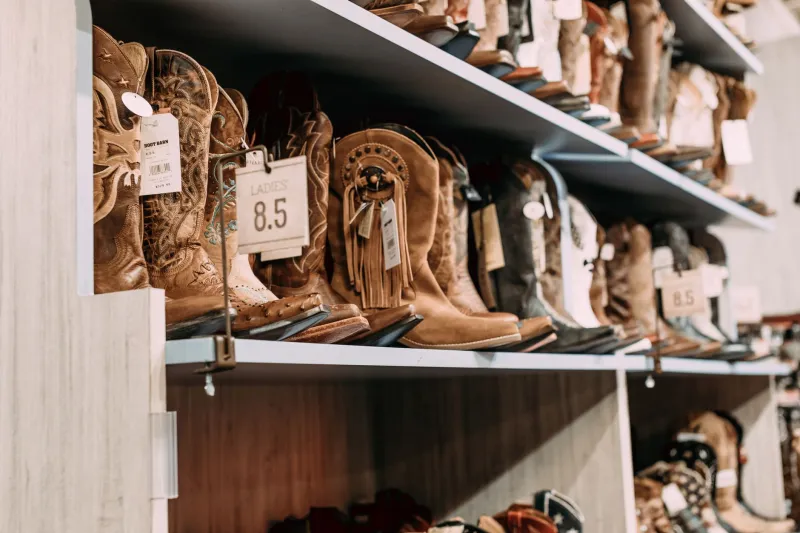
Classic tall and classic short silhouettes consistently perform best on the resale market. These are the styles that have been around long enough to build genuine demand outside of trend cycles. A lightly worn pair of Classic Talls in a neutral color — chestnut, sand, black — will move faster and at a higher price than a trendy seasonal colorway that had its moment and passed.
Ultra Mini and platform styles have been hot recently, but trendier silhouettes are riskier resale bets. They spike hard when they're popular and drop just as fast when the next thing comes along. If you bought into a trend style, sell it sooner rather than later — ideally before the trend fully peaks, not after.
Slippers and indoor styles are a tougher sell secondhand. Buyers get squeamish about used footwear that's been worn around the house, and the price ceiling is lower to begin with. Focus your resale energy on traditional outdoor boots.
Condition Is Everything — So Prep Before You List
A pair of Uggs that looks beat up will sell for a fraction of what a well-maintained pair commands. Before you photograph anything, spend an hour doing basic restoration work.
Brush the suede with a soft-bristle cleaner to lift any flattened nap. Spot-treat stains with a suede eraser or cleaner — the difference in photos is dramatic. If the sheepskin lining has compressed, let the boots air out for a day or two and consider a light reshaping with newspaper or boot shapers. Clean the soles. Seriously, buyers notice dirty soles in photos and it tanks offers immediately.
Good lighting and honest photos from multiple angles will always outperform a single blurry shot. Buyers on resale platforms are savvier than they used to be. Give them the full picture and you'll get fewer lowball offers.
The Best Platforms for Flipping Winter Boots
Where you list matters as much as when you list. Different platforms attract different buyers and have different fee structures that affect your actual take-home.
Poshmark has a massive audience for footwear and a built-in community that trusts the platform's authentication processes. The 20% fee on sales over $15 is steep, but the volume of active buyers often makes up for it. Sharing your listings regularly and engaging with the community accelerates sales significantly.
eBay gives you more pricing flexibility and a broader reach, especially for buyers outside major metro areas. The fee structure is more favorable on higher-ticket items. Auction-style listings can work well for popular styles — let buyers compete and you might be surprised what you get.
Facebook Marketplace is ideal for quick local flips with zero fees. You won't get top dollar, but if you want cash in hand fast and don't want to deal with shipping, it's a solid option. Price slightly below what you'd ask on Poshmark to account for the local buyer pool being smaller.
Mercari is worth having in rotation, especially if your Poshmark listings aren't moving. The platform has grown its footwear category and fees are competitive.
Don't limit yourself to one platform. Cross-list and take the first reasonable offer that comes in.
Reinvesting Smart: What to Buy With Your Boot Money
The whole point of this exercise isn't just to pocket cash — it's to fund your next footwear rotation without dipping back into your regular budget. The goal is a self-sustaining cycle.
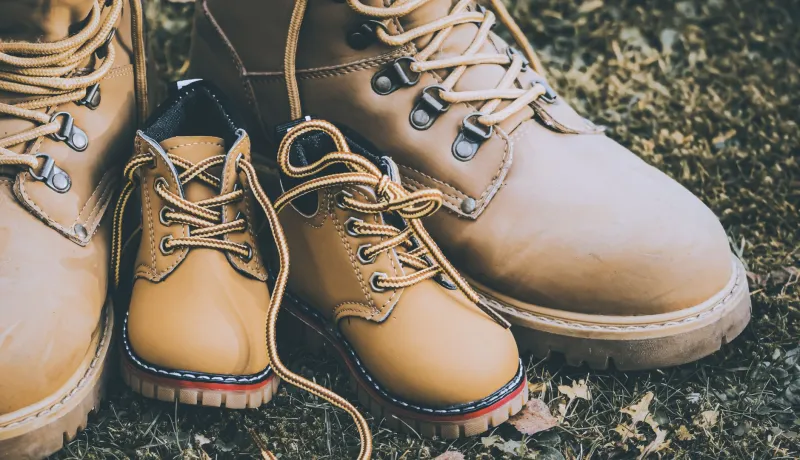
With the money from your winter boot sale, look for transitional footwear that bridges the gap between cold and warm weather. Waterproof ankle boots, lightweight sneakers, and casual loafers are all solid spring investments. If you're strategic, you'll buy these on clearance as retailers push out winter inventory — which happens at exactly the same time you're selling your boots. The timing lines up perfectly.
Look for end-of-season deals at outlet retailers (including right here at Cheap Uggs Outlet) where spring styles get marked down to make room for summer inventory. You're essentially rotating value from one season into the next without spending new money.
Starting the Cycle Again in Fall
Here's where it gets interesting. In August and September, the reverse opportunity opens up. Winter boots start appearing on resale platforms from sellers who want to clear space or need quick cash before the season. Prices are lower because demand hasn't fully kicked in yet.
If you buy a quality pair of Uggs in August at a good price, wear them all winter, then sell in February or March — you can often come out near even or even slightly ahead, depending on condition and how well you priced the original purchase.
This isn't a get-rich-quick scheme. It's just a smarter way to think about footwear as a rotating resource rather than a sunk cost. Over a couple of seasons, the math starts to feel pretty good.
The Bottom Line
Most budget shoppers are leaving money on the table by treating old boots as worthless once the season ends. They're not worthless — they're just waiting for the right buyer at the right time. Get ahead of that timing, put in a little prep work, and you can turn seasonal wardrobe swaps into a legitimate way to keep your shoe budget from spiraling every year.