Broke But Not Cold: The Ultimate Winter Boot Game Plan for College Students
Let's be real for a second. You're juggling tuition, ramen, and maybe a part-time job that pays just enough to cover your streaming subscriptions. The last thing you need is a $300 pair of boots eating into your already-thin budget. But here's the thing — slogging through a Midwest winter or a snowy Northeast campus in beat-up sneakers isn't just uncomfortable, it's a fast track to getting sick and missing classes.
So what's the move? You don't have to choose between warm feet and financial sanity. You just need a smarter strategy.
One Good Pair Beats Three Bad Ones
The biggest mistake college students make with winter footwear is buying cheap throwaway boots every season. You grab a $30 pair from a fast fashion site in October, they're falling apart by January, and you're back to square one — except now you've spent $60 over two winters instead of investing $70 once in something that actually lasts.
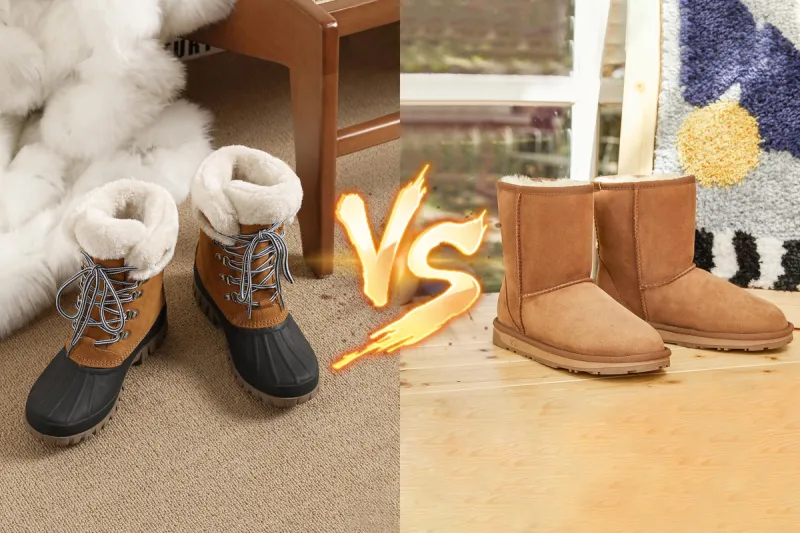
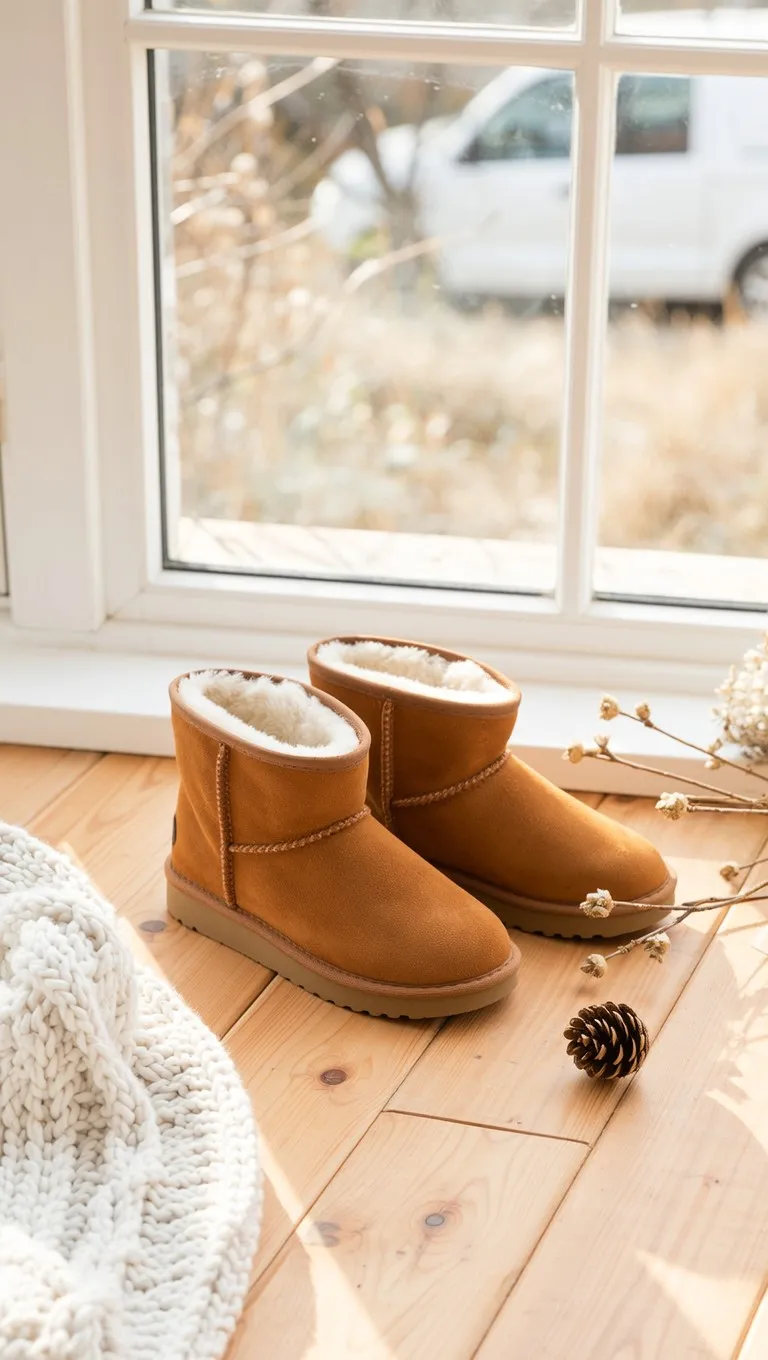
The sweet spot for college budgets is typically the $60–$90 range for an affordable winter boot that mimics the warmth and comfort of higher-end styles like Uggs. Look for boots with genuine or high-quality synthetic shearling lining, a reinforced sole, and water-resistant materials. These features aren't exclusive to luxury brands — plenty of budget-friendly options check all three boxes.
When you're shopping, prioritize versatility. A boot that works for walking across an icy quad, sitting through a three-hour lecture, and grabbing coffee afterward is worth its weight in gold. Bonus points if it looks decent enough that you don't feel underdressed at a casual get-together.
Timing Is Everything — Shop Like a Strategist
If you buy boots in November when everyone else is panic-shopping, you're paying full price. That's the retail trap. Instead, plan your purchase around sales cycles that predictably drop prices on winter footwear.
- Late September to early October: Pre-season sales often pop up right before demand spikes. Retailers are trying to move inventory before the rush, and you can snag solid deals.
- Post-Thanksgiving / Cyber Monday: One of the best windows of the year. Online boot retailers drop prices significantly, and you can compare deals from your dorm room in your pajamas.
- January clearance: If you can survive the first half of winter in last year's boots, January clearance sales are legendary. We're talking 40–60% off. Stock up for next year.
- End-of-season February sales: Same idea — retailers are clearing shelves for spring inventory. Buy now, wear next winter.
Setting up price alerts on sites like Google Shopping or using browser extensions that track price history can also save you a meaningful chunk of change without any extra effort.
Layering Tricks That Extend Your Boot's Season
Here's something most people don't think about: the right socks can completely transform how a boot performs. A decent pair of thermal or wool-blend socks adds genuine warmth without adding bulk, meaning your summer-weight boots can handle cooler fall days and your winter boots become true cold-weather warriors.
For transitional weather — think late October or early March — wear your winter boots with lighter socks and roll or cuff them slightly to give off a more casual, less heavy-duty look. This extends the wearable window of a single pair across two or even three seasons, which is a massive value multiplier on your original investment.
Also consider waterproofing spray. A $10 can applied at the start of each season keeps moisture out, which is the number one thing that destroys boots prematurely. Wet interiors break down lining materials fast, and once that shearling-style interior gets matted and soggy, it never fully recovers.
Basic Care That Makes Boots Last All Four Years
You don't need a complicated boot care routine. You just need a consistent one. Here's a simple checklist that takes maybe 15 minutes a month:
- Brush off salt and dirt after every few wears. Winter road salt is brutal on boot materials. A soft brush or damp cloth does the job.
- Stuff boots with newspaper when drying. Never put them near a heater or radiator — heat warps soles and dries out materials. Let them air dry naturally.
- Apply a suede or leather protector spray at the start of winter. This is non-negotiable if you want them to survive the season looking decent.
- Store them properly in spring. Don't just throw them in the back of your closet. Stuff them to keep their shape, and store them somewhere cool and dry.
These small habits are the difference between boots that last one winter and boots that are still going strong when you walk across that graduation stage.
The Financial Math Actually Works in Your Favor
Let's break it down simply. If you spend $80 on a quality affordable boot and it lasts four years with proper care, you're paying $20 per winter for warm, reliable footwear. Compare that to buying $35 boots every year — that's $140 over the same period, nearly double the cost, for an inferior experience.
That's the kind of math your economics professor would approve of.
College is the perfect time to start thinking about purchases as investments rather than one-time transactions. Your boots are a small but real example of how spending slightly smarter upfront pays off down the road. And honestly, your post-graduation self — the one paying back student loans — will thank you for every good habit you built now.
Stay warm out there. Your GPA doesn't need the distraction of frozen toes.